Sunday, July 18

history lesson

While preparing for Monday's sewing workshop with the women, I came across the history of the sewing machine. I was surprised to discover that the treadle model the women are using has changed very little, if at all, from the first Singer two-thread sewing machine.
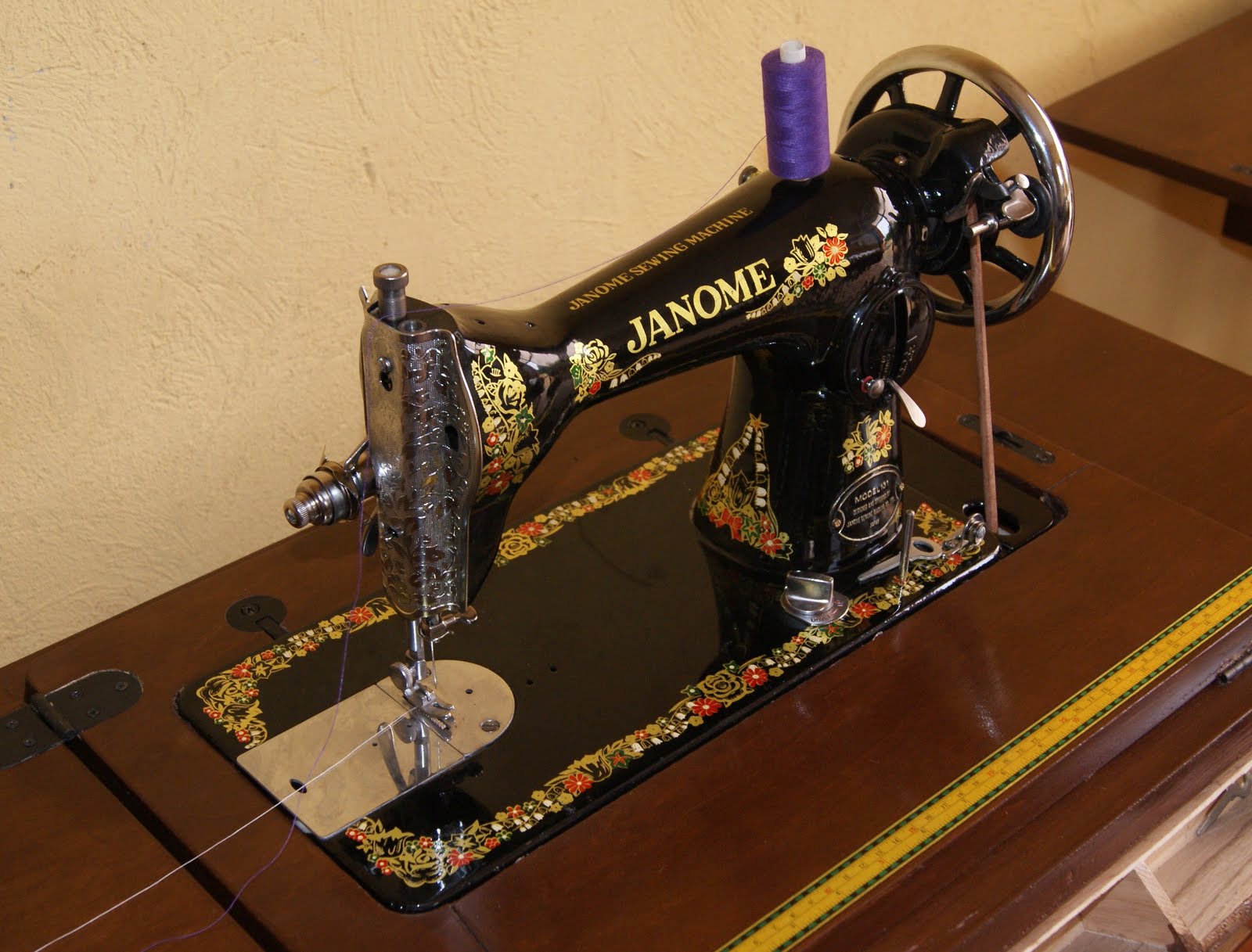

From my sewing guide, (Sew Everything Workshop by Diana Rupp):

For centuries, people tried to figure out how to sew automatically or mechanically. Can you blame them when sewing a shirt by hand took about fourteen hours?

The first man to patent the type of sewing machine we use today was Elias Howe. Some historians argue that Howe's wife, Elizabeth Ames Howe, invented the machine and put the patent in his name. She would have had the motivation, since she was a seamstress and would have welcomed greater speed for greater profit. The Howe machine had top and bottom threads that linked together to form stitches. A breakthrough! To showcase this miracle, Howe set up a John Henry-type contest between his machine and five ladies sewing by hand in a Massachusetts public hall in 1845. The machine trounced the seamstresses, sewing five seams before they could sew one.

It was German mechanic and cabinetmaker Isaac Singer who made the two-thread sewing machine a hit. Sure, he violated Howe's patent (and later paid up), but he added the foot pedal and about twenty other improvements. In the 1860s Singer took his machines on the road and demonstrated them to groups of ladies (many of whom he seduced after the show).

Interestingly (for Nest), Singer let the housewives take a machine home and pay over time, making him a pioneer of the credit plan as well. Even though today's state of the art Singers, Kenmores, Janomes, and Husqvarna-Vikings have computer chips and forty-seven stitch options, the basic, manual pedal machine is still manufactured and has remained the same for the last 150 years.


Friday, July 16

studio setup


Jose and Luis Daniel, our facilitator, carrying the machines into the new studio.


happy sewing


a little oil goes a long way...


nellie stopped by to check on us.


one of the machines, stocked with supplies and ready to go.


Luis Daniel tuning up.

all our spools in a row.


the final scene: a sewing studio waiting to be used!

The Children

The little ones at the Batey are gorgeous. We could never forgive ourselves if we didn't share their faces with you:


Press for Our Project!

Centre College, both Morgan and Jose's Alma Mater, published an article this week about our work in the Batey.

Read it here:

http://centre.edu/news/2010/nest.html

Wednesday, July 14

Understanding Finances


Nest Fellows teaching the Module One (Finance) to Nest clients. Jose is teaching the business curriculum, while Morgan anxiously awaits to teach the students the first steps in  their sewing career. It was an intense day full of questions from the Nest fellows and students. A very productive day.


Jose assisting Nest students with their excercises.


Morgan teaching Marilin how to insert a bobbin in the treadle machine.


After a long day of teaching we decided to relax by taking a walk  with Luis Daniel through the village.

Monday, July 12

Day One: Getting to Know You

Nest's newest loan program has officially begun! Nest Fellows had their first meeting with our newest ten clients this morning in their community, Batey Aleman. Today our goal was to get to know each other, to talk about our expectations for the project, and to open the floor for questions and concerns.

The room was buzzing with excitement as the women shared with us their hopes of becoming successful business owners. The room erupted with applause when Jose mentioned that our project is Nest's first in the Dominican Republic, and the women were pleased to learn that their courses in business and sewing will begin tomorrow.


Nest's newest clients.


Nest Fellows Jose and Morgan with the pastor of the Batey church.


Main street.

Saturday, July 10

Running Errands


Bright and early Saturday morning, Nest fellows Jose and Morgan head out to purchase the sewing machines the women will use during the project.


A model of the treadle machines.


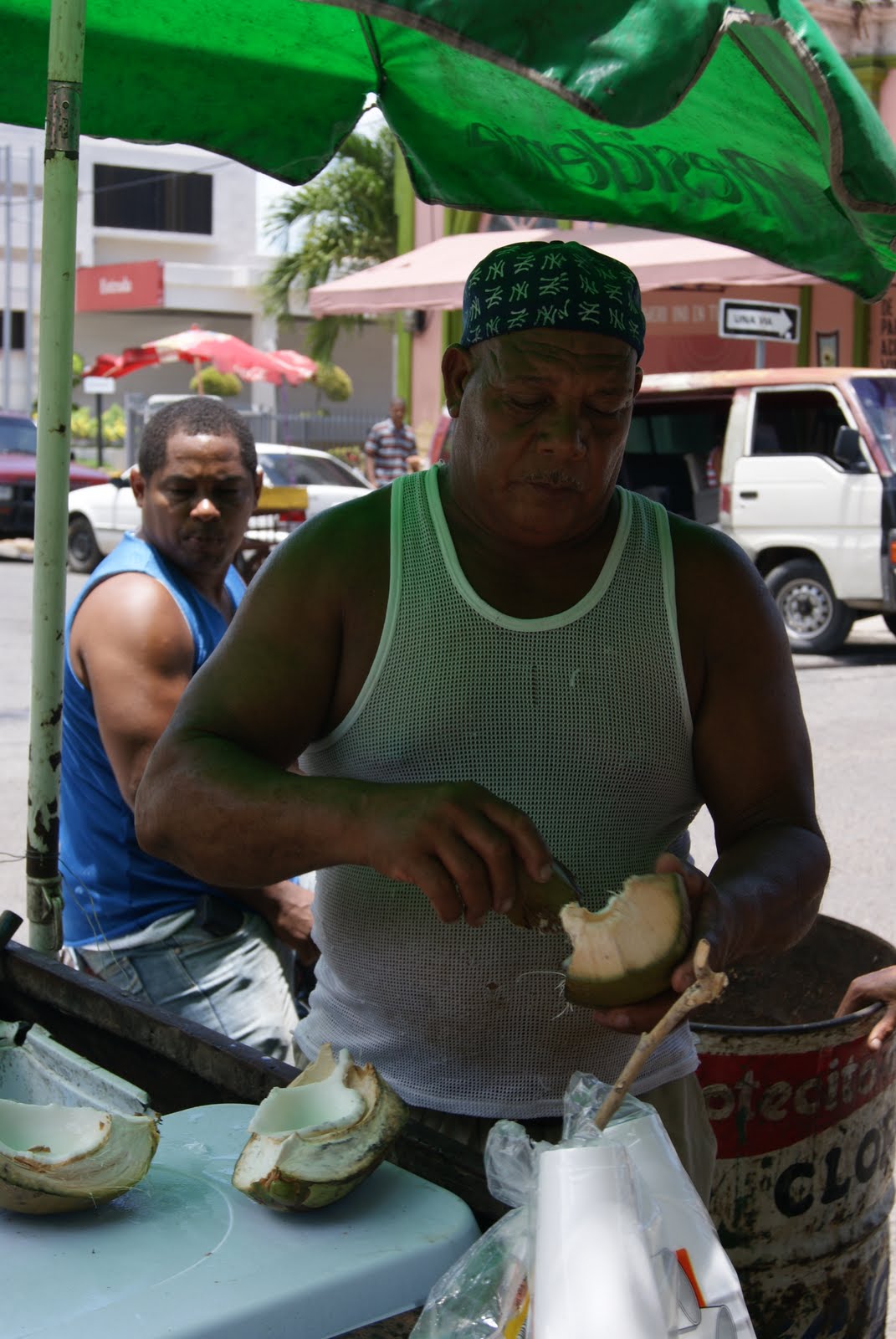
Mid-day break for fresh coconut milk on the streets of San Pedro de Macoris.


Last stop at the fabric store for cotton, thread and extra bobbins